Military Aviation: An Overview
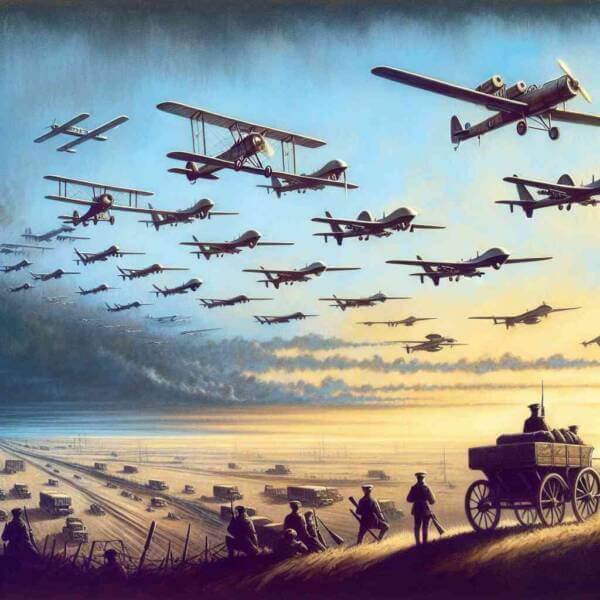
Since its beginnings in the early 20th century, military aviation has revolutionized warfare.
Today, military aviation encompasses a wide range of missions, from fighter jets and bombers to surveillance drones and transport planes.
How Military Aviation Began
As technology advanced, airplanes were adapted for offensive operations, reshaping military strategies.
Important events in the evolution of military aviation:
- First use of armed aircraft in combat
- Massive growth in air power
- Emergence of strategic bombers and nuclear deterrence
- Rise of unmanned aerial vehicles (UAVs)
Each era brought new technologies that pushed the limits.
Different Roles of Military Planes
Military aviation includes a variety of aircraft, each designed for unique purposes.
Types of planes used in military aviation:
- Fighter jets
- Planes that deliver heavy payloads
- Planes used to move troops and equipment
- Unmanned aircraft for intelligence gathering
Each type plays a vital role in military operations, from supporting ground forces.
Why Control of the Skies Matters
Controlling the skies protects ground operations.
How controlling the air impacts battles:
- Protecting ground forces
- Targeting infrastructure and logistics
- Gathering critical intelligence
- Psychological impact on enemy forces
Nations with strong military aviation capabilities can shape outcomes.
Technological Innovations in Military Aviation
Constant research and development push boundaries for future warfare.
Cutting-edge developments:
- Stealth technology
- Ultra-fast strike capabilities
- Autonomous drones
- Laser and electromagnetic systems
These advancements increase survivability for air forces worldwide.
Obstacles Facing the Industry
From high costs to geopolitical tensions, the road to air dominance is filled with hurdles.
Pressing issues in military aviation:
- Expensive research and operations
- Short life cycles for cutting-edge aircraft
- Cybersecurity threats
- Questions about accountability and control
Addressing these challenges is essential for maintaining air power.
Where Military Aviation is Heading
The future of military aviation promises an era of transformation.
Expected advancements:
- Smarter decision-making systems
- Defending assets beyond Earth
- Developing sustainable aviation technology
- Collaborations across allied air forces
The next era of military aviation will redefine defense.
Conclusion
Military aviation remains a powerful force in global defense.
As technology continues to evolve, the skies will visit remain a frontline of innovation where military aviation protects nations.
The future of military aviation is full of potential — and it’s only just beginning.